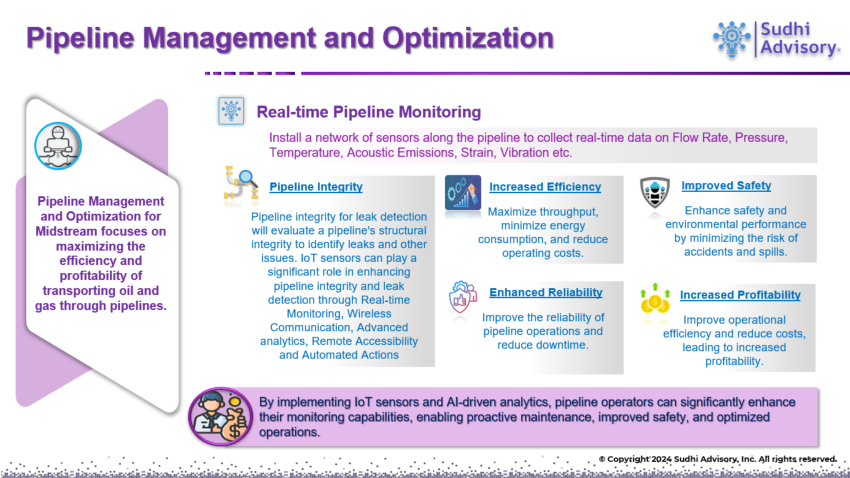
The pipeline management and optimization systems offer significant advantages for the midstream sector by leveraging data to enhance efficiency, safety, and profitability. These systems move beyond traditional, reactive methods to a proactive, predictive approach with Enhanced Pipeline Integrity and Safety, Improved Decision-Making and Resilience
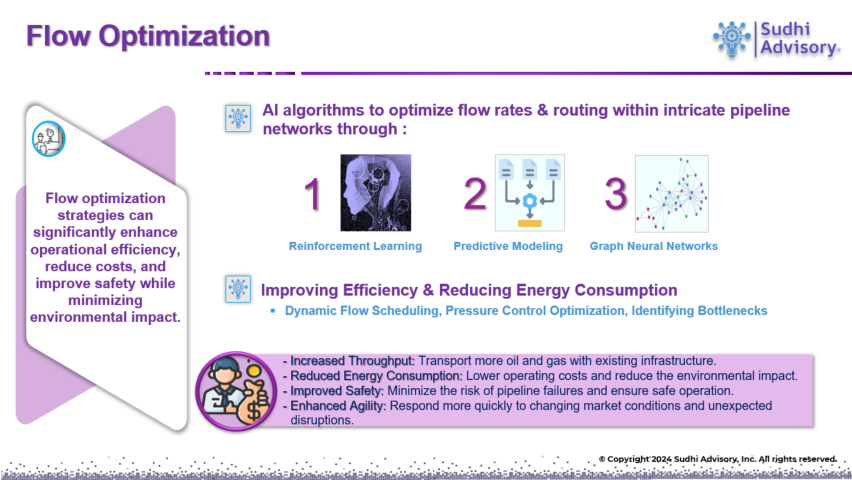
AI/ML-based flow optimization systems can dynamically adjust pump and compressor speed, valve settings, and pressure in response to changing conditions like demand, weather, or equipment status. This ensures that the product flows at the optimal rate, minimizing energy consumption and maximizing throughput. AI can simulate different flow scenarios and identify potential bottlenecks or inefficiencies in the network. This allows operators to reroute crude through underutilized lines or adjust operations to prevent slowdowns before they occur.
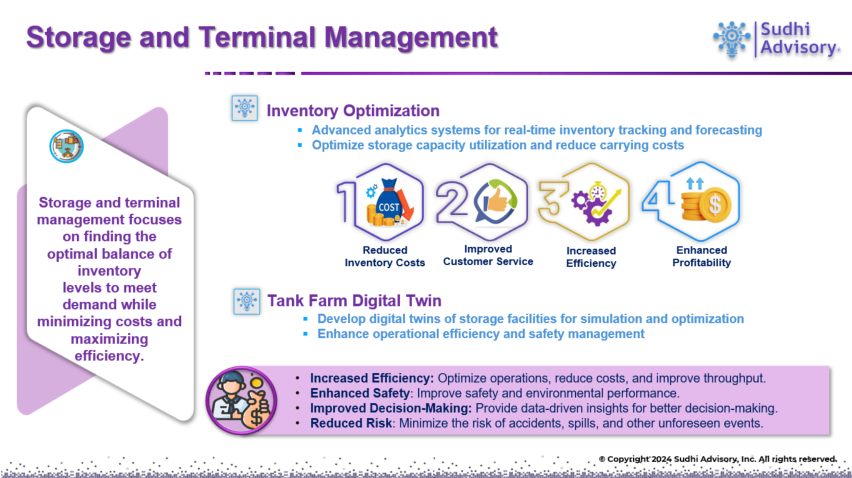
AI/ML systems provide a holistic view of the terminal’s operations, integrating data from various sources to optimize product movement and storage. It analyze real-time data from tank gauges, sensors, and flow meters to provide accurate, up-to-the-minute inventory levels. This prevents stockouts and overstocking, ensuring the right products are available at the right time. AI algorithms can predict future demand for specific products.
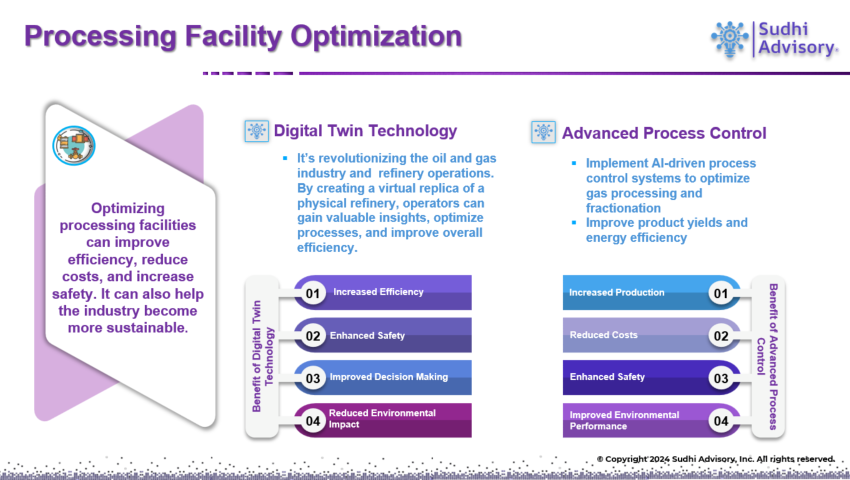
The major advantage of AI/ML-based processing facility optimization systems in the midstream oil and gas sector is their ability to achieve superior operational efficiency and profitability through real-time, data-driven decision-making.Instead of relying on static models or manual adjustments, these systems can dynamically adapt to changing conditions to maximize throughput, minimize energy consumption, and ensure product quality.
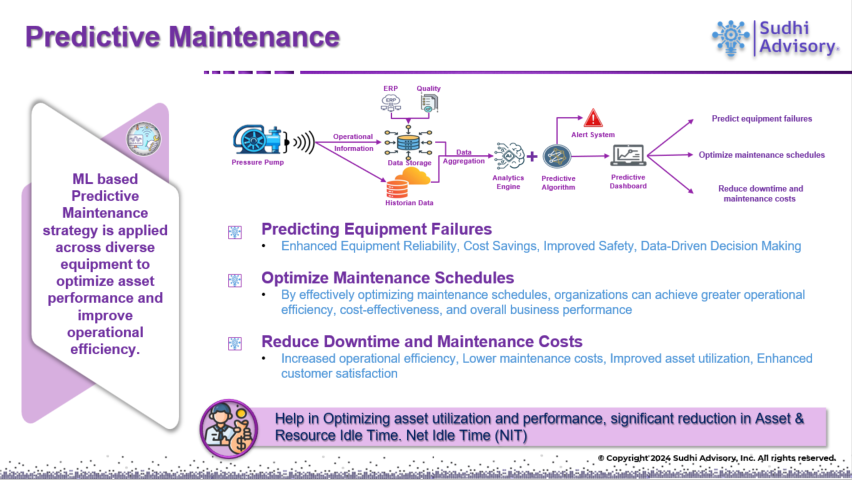
Unplanned downtime is a massive cost driver in the midstream sector, as it can halt the transport of products and disrupt the entire supply chain. PM systems are designed to eliminate this risk. AI/ML models continuously analyze data from sensors on critical equipment like pumps, compressors, and valves. They can detect subtle changes in vibration, temperature, pressure, or flow that a human operator might miss. These Real-time Anomaly Detection are often the first signs of a looming failure.
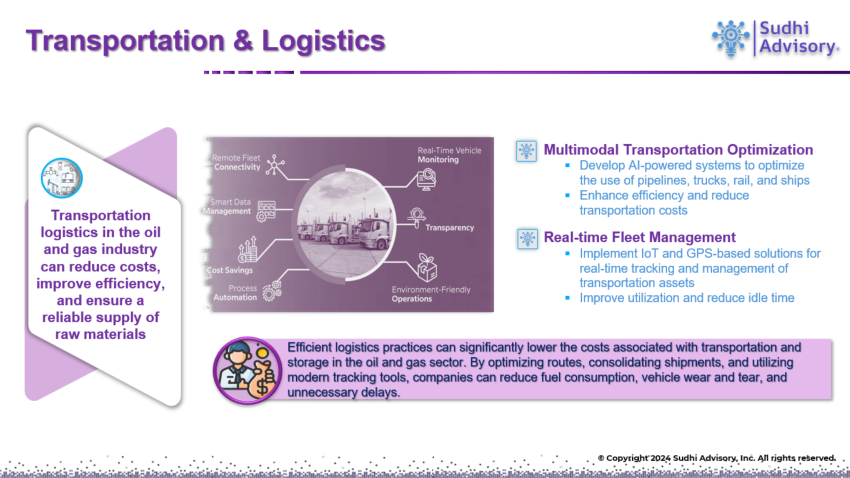
The major advantage of AI/ML-based Transport and Logistics management systems in the midstream oil and gas sector is the ability to achieve end-to-end supply chain optimization through dynamic, real-time decision-making. Unlike traditional systems that rely on static plans and historical data, AI/ML platforms can process a massive amount of live information to make intelligent, proactive adjustments. This leads to substantial gains in efficiency, cost reduction, and resilience.
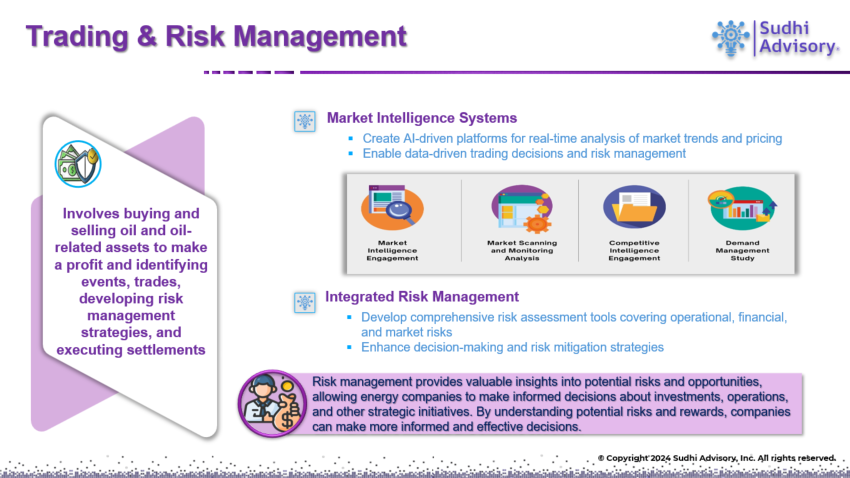
The AI/ML-based trading and risk management systems provide a significant competitive edge by moving beyond traditional, slower methods of analysis to an intelligent, data-driven approach that can navigate the volatile commodity market with greater speed and accuracy. It can process and analyze vast quantities of data that are simply unmanageable for human analysts, leading to more accurate predictions of price movements and market trends.
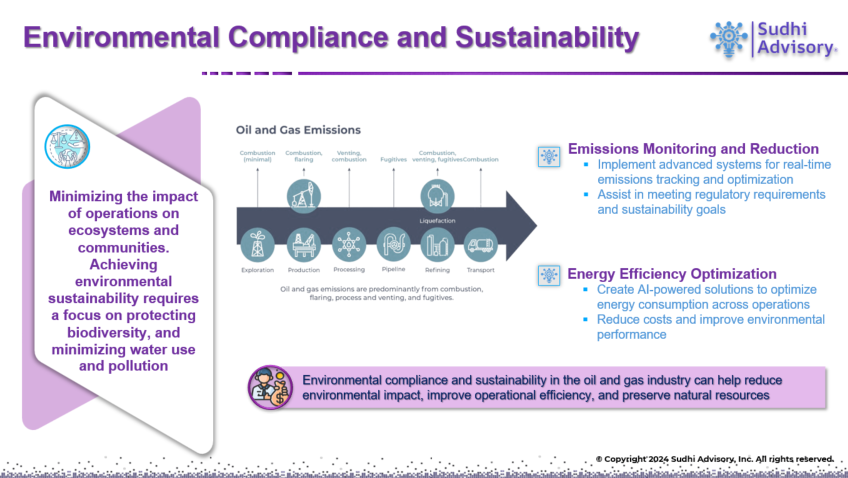
This simplifies the complex task of environmental compliance and reporting, reducing the potential for human error and ensuring transparency. AI systems can automatically collect, process, and analyze data to generate accurate and timely reports on emissions, spills, and other environmental metrics, helping companies comply with strict regulatory requirements.