
Downstream Solutions
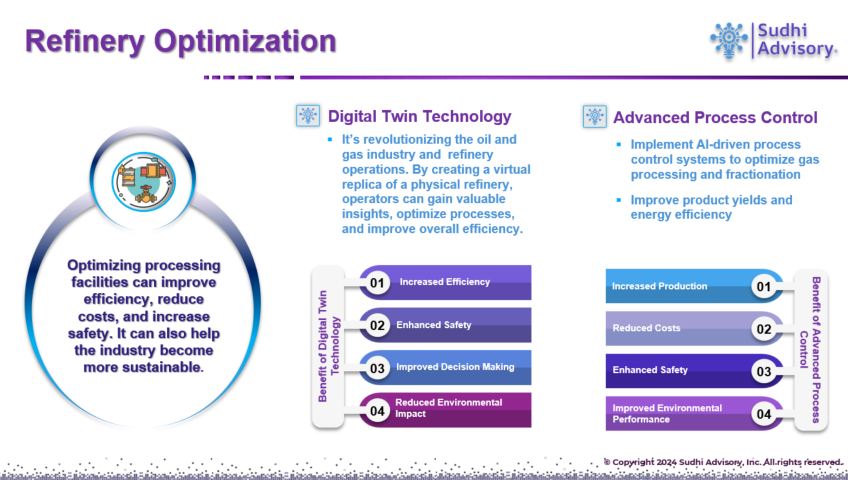
AI/ML refinery optimization systems are designed to maximize profitability and operational efficiency by finding the optimal balance between cost and output.
These systems analyze vast amounts of real-time data to determine the ideal operating parameters for maximizing the output of high-value products like gasoline and jet fuel. By doing so, they can identify the most cost-effective blend of different feedstocks and intermediate products, minimizing waste and ensuring compliance with market specifications.
Furthermore, these systems significantly enhance safety and sustainability. They use anomaly detection to identify and flag unsafe conditions, and they help reduce emissions by optimizing processes for greater energy efficiency.
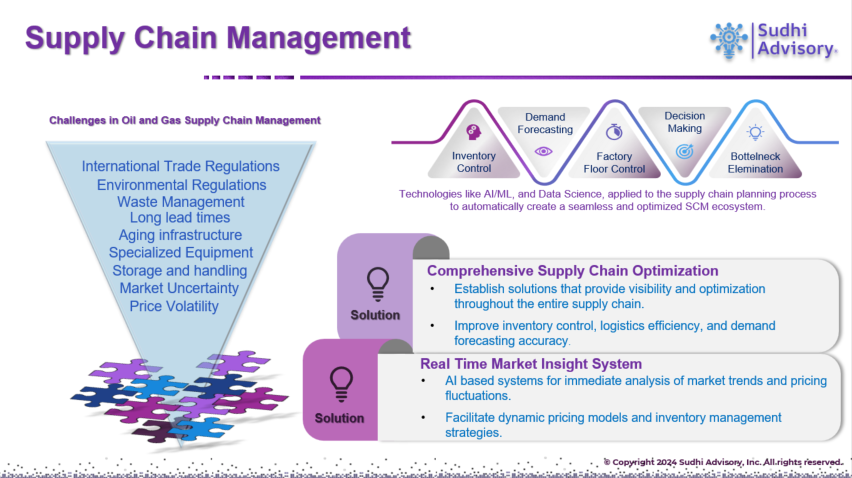
Implementation of AI/ML based solution for supply chain management in the downstream oil and gas industry offers significant advantages by transforming a complex, often reactive process into a highly efficient, proactive, and data-driven operation. The primary benefits like enhanced operational efficiency, reduced costs, and improved resilience to market volatility can be achieved through Predictive Analytics, Optimized Inventory Levels, Dynamic Route Optimization, Automated Dispatch and Scheduling, Proactive Risk Assessment and Supply Chain Visibility.
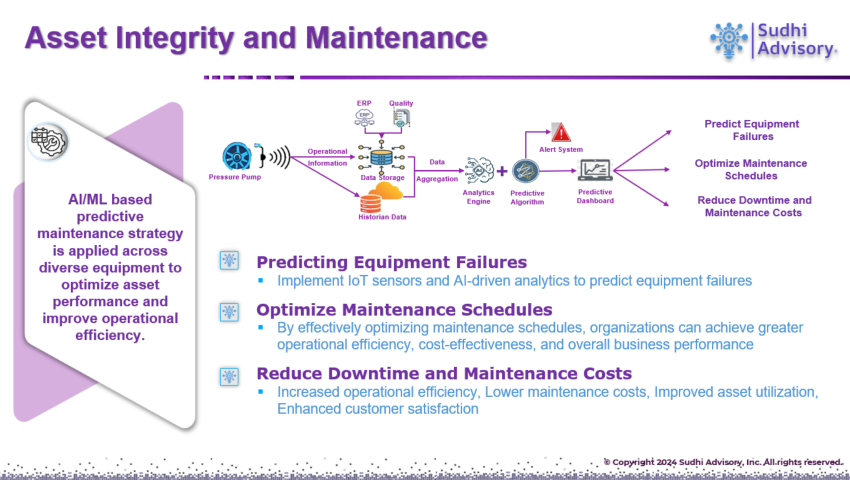
The major advantage of using AI/ML for Asset Integrity and Maintenance in the downstream oil and gas sector is the shift from reactive or scheduled maintenance to a proactive, predictive, and condition-based approach. This fundamentally changes how companies manage their assets, leading to significant reductions in Unplanned Downtime and Extended Asset Life, Enhanced Safety and Risk Management and lower operational costs.
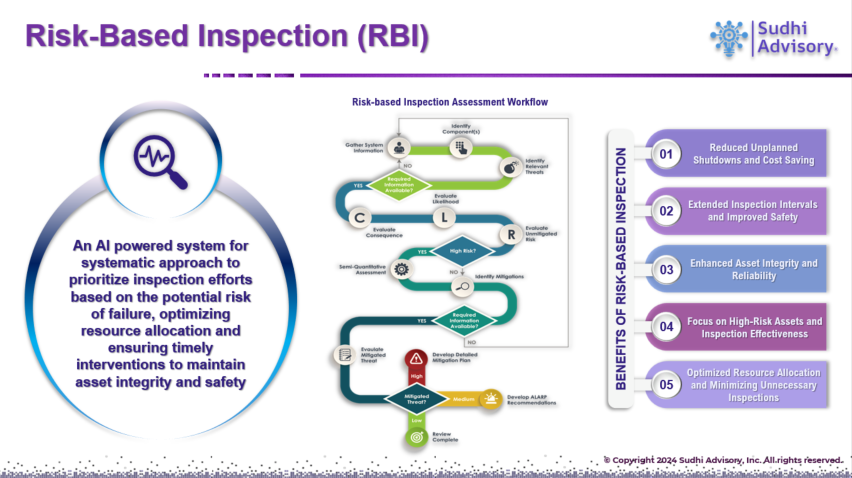
Usage of AI/ML for Risk-Based Inspection (RBI) in the downstream oil and gas sector is the ability to transform RBI from a static, qualitative process into a dynamic, data-driven, and highly precise methodology. The key advantages are Superior Accuracy in Risk Assessment through a new level of Quantitative and Predictive Modeling, Real-time Consequence Analysis, Optimized Inspection Scheduling and Resource Allocation. This System has the ability to provide real-time insights which significantly improves safety and risk mitigation.
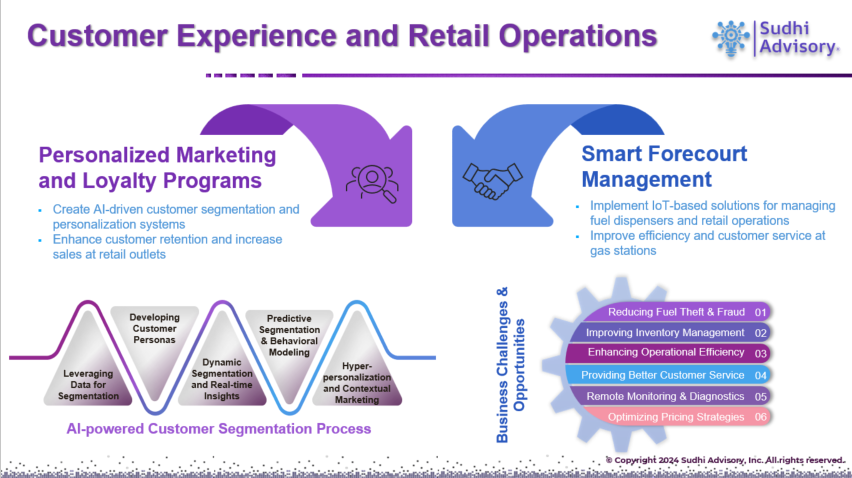
AI/ML is revolutionizing the downstream oil and gas sector by moving beyond traditional business models to enhance customer experience and boost profitability.
The key advantage lies in its ability to create personalized customer interactions. By analyzing data from loyalty programs and purchase history, AI can replace one-size-fits-all marketing with a deeply personalized approach. It generates hyper-personalized offers and proactively sends incentives to re-engage customers, which helps to retain high-value clients and drive sales.
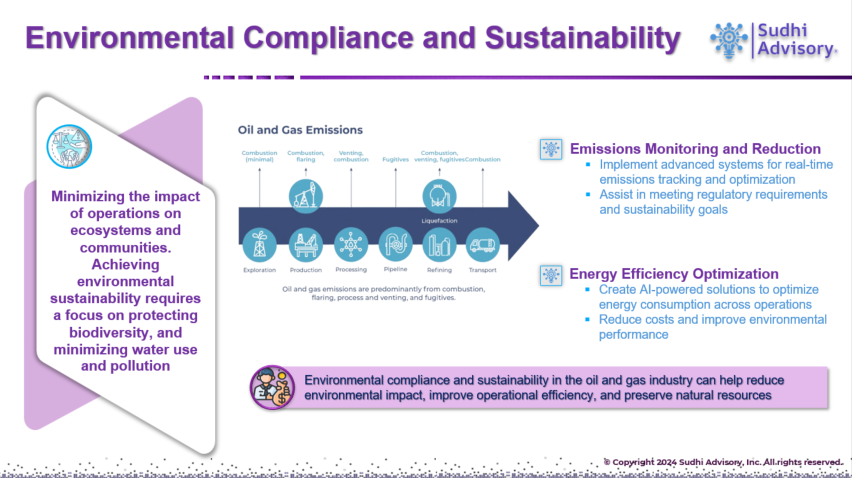
AI/ML offers a significant advantage for environmental compliance and sustainability in the downstream oil and gas sector by enabling proactive, real-time management of environmental risks. This shift from a reactive to a predictive approach is crucial for preventing incidents, reducing emissions, and ensuring regulatory adherence.
AI/ML systems are highly effective at detecting leaks and fugitive emissions, especially methane, surpassing traditional methods. Furthermore, they enhance energy efficiency across facilities and retail outlets, leading to reduced consumption and lower emissions.
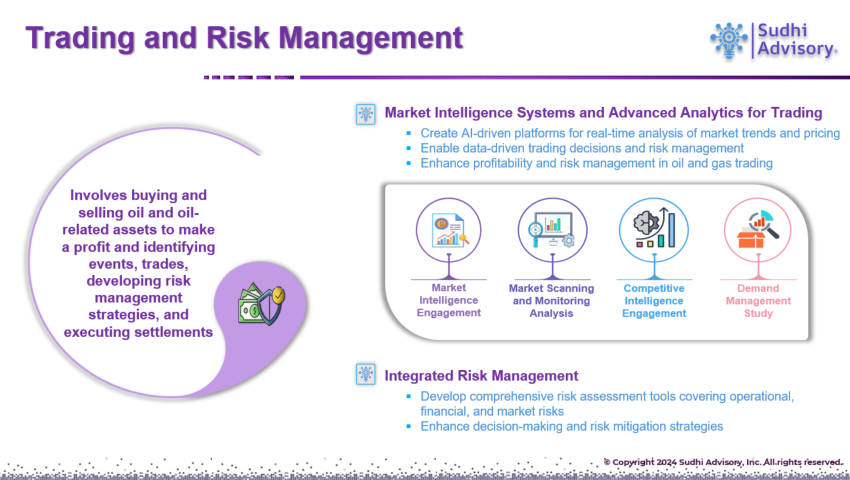
The major advantage of using AI/ML for trading and risk management in the downstream oil and gas sector is the ability to enhance profitability and mitigate financial risks by making more informed, real-time, and predictive decisions.
These systems provide a significant competitive edge by moving beyond traditional, slower methods of analysis to an intelligent, data-driven approach that can navigate the volatile commodity market with greater speed and accuracy.
The key advantages are superior market forecasting and trading strategies, enhanced risk management and compliance, anomaly and fraud detection.
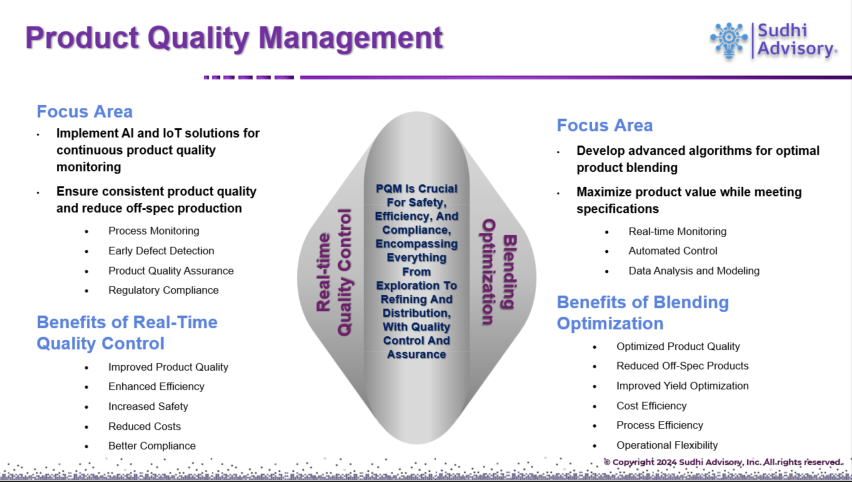
The downstream oil and gas sector is highly dependent on product quality to meet market specifications and regulatory standards. The major advantage of using AI/ML for product quality management is the ability to shift from reactive quality control to a proactive, predictive, and optimized system. This ensures consistency, minimizes off-spec products, and significantly reduces waste. Few key benefits are predictive quality control, real-time blending and process optimization
© Copyright 2026 Sudhi Advisory, Inc. All rights reserved.